
 English



 Women
Women
 Bottom Wear
 Western Wear
 Maternity Wear
 Women's Inners
 Men's
Men's
 Men Traditional Wear
 Men Western Wear
 Men Inners

Power Dressing
Oversized vs Tailored: Stop Guessing What Actually Looks Better
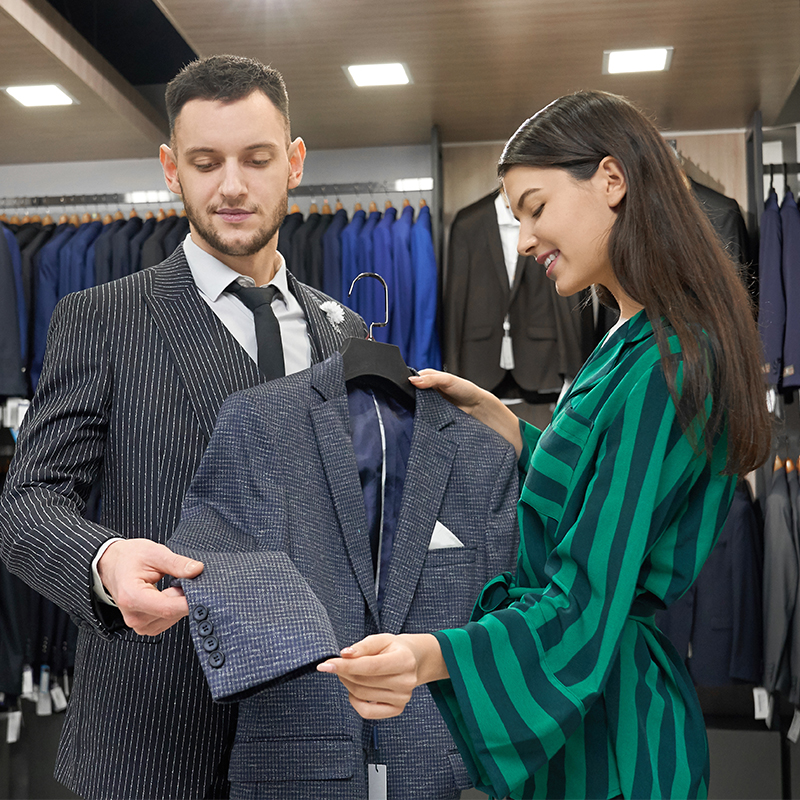
Most people don’t have a style problem—they have a fit problem. The oversized vs tailored debate isn’t about trends. It’s about proportions, body structure, and context. If you pick the wrong fit, even expensive dresses will look off. Get it right, and even basic pieces look sharp.
Start with tailored fits. This is the default for a reason. Tailored dresses—whether it’s a fitted midi dress for women or a structured shirt-trouser setup for men—follow your body’s natural lines. They define the shoulders, shape the waist, and create clean proportions. That’s why tailored fits consistently look polished. They remove excess fabric, which eliminates visual noise.
But here’s the catch: tailored doesn’t mean tight. When men wear overly slim shirts that pull at the buttons or women choose bodycon dresses that restrict movement, it stops looking refined and starts looking forced. A proper tailored fit allows movement while maintaining structure. If it’s uncomfortable, it’s not tailored—it’s just undersized.
Now look at oversized fits. These have become popular because they feel relaxed and modern. Oversized dresses—like loose shirt dresses for women or boxy co-ord sets for men—create a different visual effect. Instead of following the body, they create space around it. This can look effortless when done right.
But most people get oversized wrong. They confuse oversized with shapeless. If the shoulders drop too far, sleeves extend excessively, or the length overwhelms your frame, the dress stops looking intentional. It just looks like you’re wearing the wrong size. Oversized only works when proportions are controlled—slightly loose in some areas, structured in others.
Here’s the real difference: tailored enhances your shape; oversized hides it. Neither is automatically better. It depends on what you’re trying to achieve.
If your goal is sharpness and authority, tailored wins. Formal settings, professional environments, and structured occasions demand clean lines. A tailored dress communicates control and precision.
If your goal is comfort and relaxed styling, oversized can work—but only in casual or semi-casual settings. Trying to force oversized fits into formal situations usually fails. It lacks the structure those environments require.
Body type also matters more than people admit. Lean or well-proportioned bodies can carry both styles if done correctly. Broader or shorter frames need more control—too much oversized fabric can make you look heavier or shorter. Tailored fits generally create better balance in these cases.
The smartest approach isn’t choosing one over the other—it’s knowing when each works. Use tailored fits as your foundation. That’s your safe zone. Then layer in oversized pieces where they make sense, without losing proportion.
Here’s the blunt truth: most people look better in tailored fits because they’re harder to mess up. Oversized requires precision, and most don’t apply it.
So stop following trends blindly. If the fit doesn’t match your body and the situation, it doesn’t matter how popular it is—it won’t look right.
Trending Now
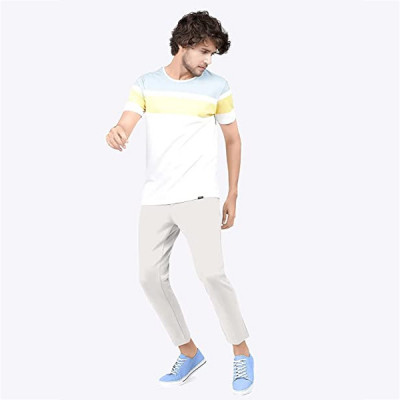
Men's Slim Fit Formal Trousers/Pant
Rs.543.00
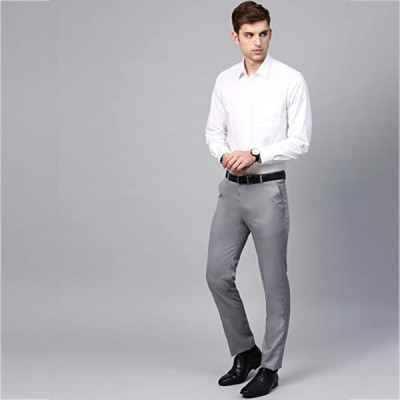
Men's Slim Fit Formal Trousers
Rs.707.00
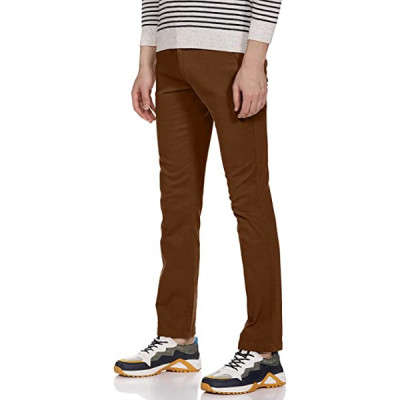
Men's Slim Casual Trouser
Rs.800.00
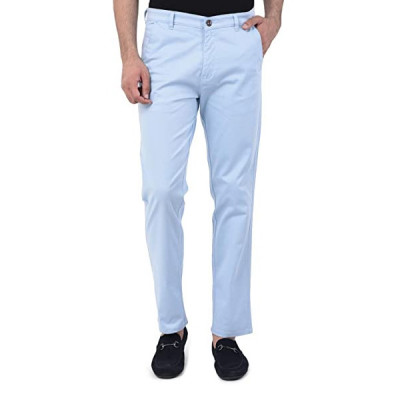
Men's Regular Fit Pants
Rs.544.00
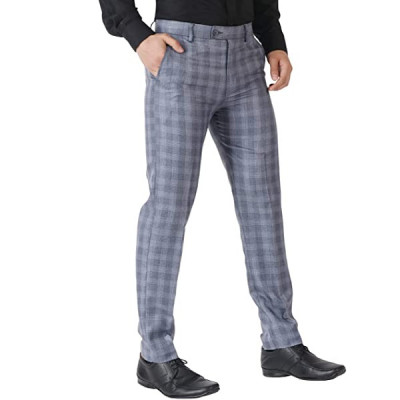
Men's Slim Fit Checkered Trouser
Rs.499.00
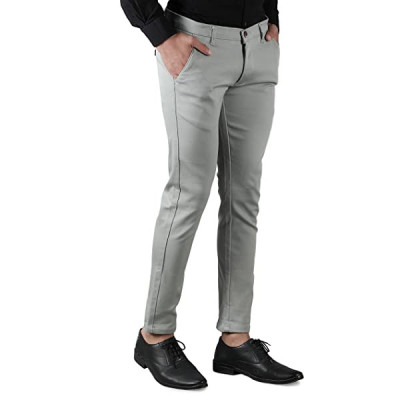
Textured Stretchable Trousers for Men
Rs.899.00
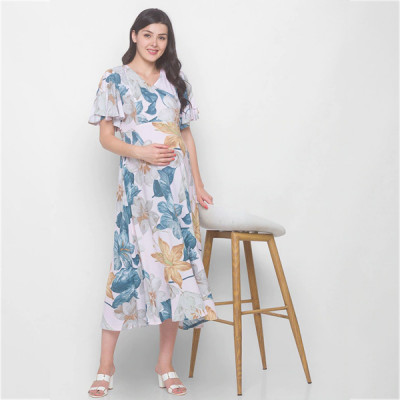
Pink Floral Maternity Midi Dress
Rs.999.00