
 English




 Women
Women
 Bottom Wear
 Western Wear
 Maternity Wear
 Women's Inners
 Men's
Men's
 Men Traditional Wear
 Men Western Wear
 Men Inners

Style Transformation
Stop Chasing Trends: Build a Dress Style That Actually Holds Up

If your wardrobe changes every few months, you don’t have style—you have reactions. Following fashion trends feels productive, but it usually leads to inconsistency, wasted money, and a closet full of dresses that don’t work together. A strong personal style is the opposite: stable, repeatable, and built on decisions—not impulses.
Start with the core problem: trends are designed to expire. The fashion cycle depends on constant change. What’s popular today—oversized shirt dresses, bold prints, or hyper-minimal co-ord dress sets—will be replaced quickly. If you build your wardrobe around that cycle, you’re always catching up and never in control. Your dress choices become dependent on what’s visible, not what suits you.
For both men and women, the result is the same: no consistency. One month your wardrobe leans oversized, the next it’s fitted, then suddenly it’s all about textures or loud colors. Individually, these dresses might look good. Together, they don’t form a system. That’s why getting dressed feels harder than it should.
A strong dress style starts with fit discipline. Ignore trends and focus on what actually complements your body. For some, that’s structured, tailored dresses that define shape. For others, it’s controlled relaxed fits that don’t overwhelm their frame. Once you identify what works, you repeat it. Not occasionally—consistently. Repetition is what creates identity.
Next is color control. Trend-driven wardrobes often rely on whatever colors are currently popular. That’s a mistake. If your dresses don’t share a common palette, they won’t work together. Stick to a base—black, white, navy, beige—and add limited variations. This allows every dress to integrate with the rest of your wardrobe without friction.
Then focus on function over novelty. Most trend pieces are bought for how they look online, not how they perform in real life. A dress that looks good in photos but feels uncomfortable, wrinkles easily, or limits movement will not be worn consistently. If a dress doesn’t handle your daily routine, it’s useless—no matter how current it is.
Another issue is external validation. Social influence pushes people toward what gets attention, not what works long-term. Men start experimenting with styles that don’t match their lifestyle. Women buy dresses that look striking but aren’t practical. The wardrobe becomes a collection of statements instead of a reliable system.
Here’s the reality: personal style is built on constraints. Fewer, better decisions repeated over time. You don’t need ten different aesthetics—you need one that fits your body, your routine, and your environment. That’s what makes it recognizable and effective.
This doesn’t mean ignoring trends completely. It means filtering them. If a trend aligns with your existing style, you can adapt it slightly. If it doesn’t, skip it. Most trends aren’t worth adjusting for.
The blunt truth is this: chasing trends keeps you average. You end up looking like everyone else who saw the same thing at the same time. A strong dress style comes from consistency, not constant change.
If your wardrobe doesn’t feel stable, it’s not because you need more dresses. It’s because you haven’t decided what actually works—and stuck to it.
Trending Now
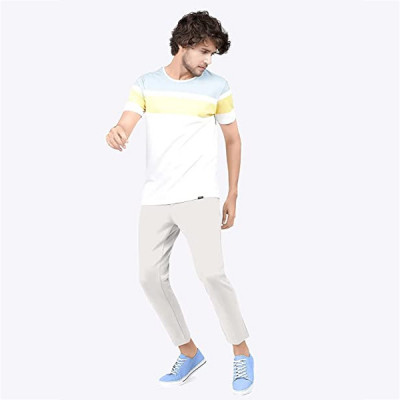
Men's Slim Fit Formal Trousers/Pant
Rs.543.00
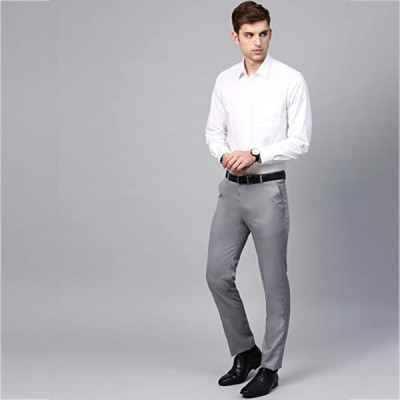
Men's Slim Fit Formal Trousers
Rs.707.00
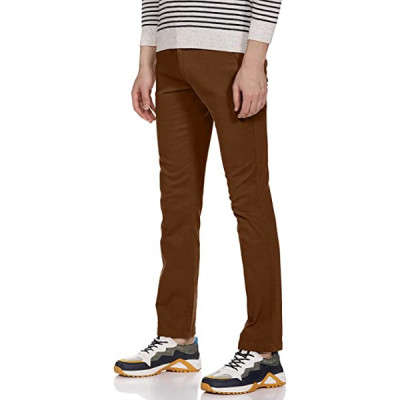
Men's Slim Casual Trouser
Rs.800.00
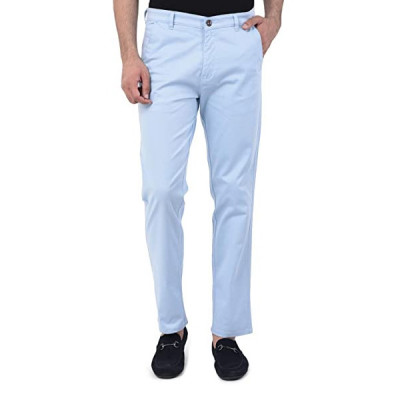
Men's Regular Fit Pants
Rs.544.00
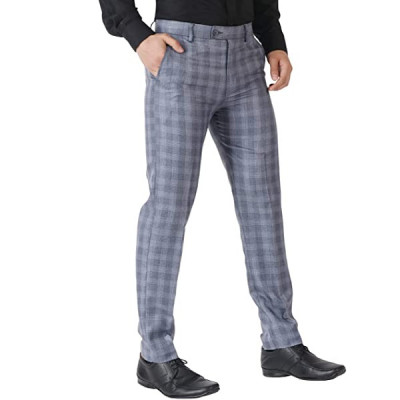
Men's Slim Fit Checkered Trouser
Rs.499.00
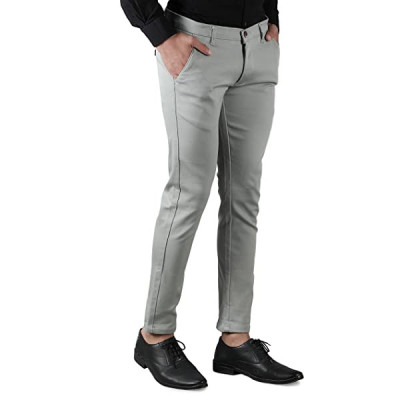
Textured Stretchable Trousers for Men
Rs.899.00
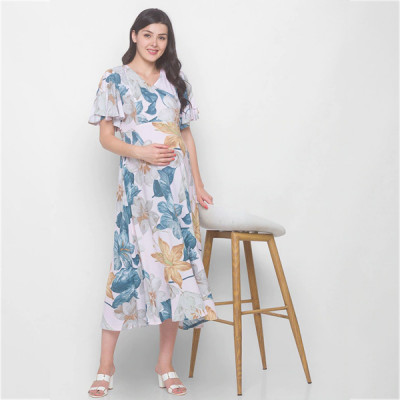
Pink Floral Maternity Midi Dress
Rs.999.00